Technology spending is reaching record levels – but competitive advantage will belong to the organizations that systematically convert that spend into business value.
Tech Sourcing at a Turning Point
The New Engine of Business Value

The New Engine of Business Value
Technology spending is reaching record levels – yet in many organizations value creation is not keeping pace. AI is reshaping IT cost structures faster than governance models can adapt, exposing the limits of traditional sourcing approaches.
Companies now face a defining question: are they simply increasing tech budgets, or are they systematically converting technology into competitive advantage? For procurement leaders, this moment demands more than cost discipline. It requires a new mandate.
Along-term shift in technology investment is reshaping global business. As companies adapt to a digital-first economy, tech spending is accelerating at unprecedented speed and fueled by cloud migration, automation and the rapid rollout of AI tools. This surge has major implications for how organizations source technology. In procurement terms, this acceleration in IT spending blurs the traditional boundary between direct and indirect spend, highlighting how tech has become more than just an enabler of companies’ core operations – it is now an essential part of their proposition.
Cost control alone is no longer sufficient; today’s sourcing leaders must ensure that every dollar invested in technology translates into tangible business value. For CPOs, this shift presents a significant challenge and an equally significant opportunity. Poorly managed tech sourcing can lead to vendor lock-in, spiraling costs, noncompliance, and slower or even missed innovation. But when approached strategically, it can unlock double-digit savings that free up funds for future investments while also creating direct business value beyond cost reduction.
Through carefully structured strategic partnerships with selected vendors, organizations can drive innovation, accelerate transformation, and enable co-creation models that generate competitive differentiation.
Rapid growth in technology spend puts IT sourcing leaders under unprecedented pressure. Global spending on cloud services is expected to increase by 21.5% in 2025, according to Gartner, while Vertice puts average 2025 SaaS price inflation at 13.9%. Cost inflation on this scale is forcing companies to revisit budgets and seek savings that can fund investment in priority areas such as GenAI, where Gartner predicts investment will increase more than 76% in 2025.
Rapid growth in technology spend is putting IT sourcing leaders under unprecedented pressure. According to Gartner, worldwide IT spending is forecast to grow by 9.8% in 2026, exceeding $6 trillion for the first time, while IT spending in Europe alone is expected to rise by 11%. Cost increases of this scale are forcing companies to rethink budgets and find savings that can be redirected into priority areas such as AI and GenAI, where investment continues to accelerate.
Yet the options to control rising tech costs are limited. Many critical services are concentrated among a small number of suppliers with significant power, leaving large companies facing hyperscale cost increases of 15% or more per year. At the same time, technologies such as AI are evolving so rapidly that new, potentially disruptive solutions emerge every few weeks – far too quickly for traditional sourcing cycles built around three-year RFPs, lengthy manual negotiations, and ad hoc vendor management.
With costs growing so quickly, IT sourcing teams must demonstrate they are pursuing a systematic, rigorous approach to value optimization. That includes changing their traditional procurement processes and adapting their approach to supplier relationship management.
Technology spending is reaching record levels – but competitive advantage will belong to the organizations that systematically convert that spend into business value.
The current IT services market offers a rare opportunity for a structural cost reset. Reduced demand in Central Europe, combined with productivity gains from Gen AI, has created significant overcapacities across onshore, nearshore and offshore delivery hubs. Organizations that approach this situation systematically can unlock substantial negotiation leverage.
Across a premium automotive OEM, a major food retail discounter and a leading media company, we used AI-powered contract transparency, clear contract-level targets and structured competitive tension to renegotiate IT services at scale. By optimizing shoring models, capturing AI-driven efficiency gains and leveraging benchmarking data, we delivered immediate cost reductions of 25–30%.
Beyond savings, clients achieved structurally improved delivery models and stronger contractual transparency, thus creating a more resilient and future-ready IT cost base.
As this example shows, innovative approaches to cost optimization are essential when technology spend is rising so quickly and organizations need to invest more in their technology transformation. But today’s tech sourcing must go further. While cost remains important, sourcing teams also need to support the CIO’s ambition to capture the full business value of rapidly growing tech investments.
Considering the pharma industry, which is investing heavily in data platforms, AI tools, and digital infrastructure to accelerate R&D, technology spend is at the core of value creation. As a result, sourcing teams must balance rigorous cost optimization with a clear strategy for enabling innovation and speed. In many cases, time to market matters far more than maximizing savings.

When applied effectively, an RFS-driven co-creation approach can materially accelerate product and platform development cycles. In an industrial technology company, early supplier integration through an RFS process reduced solution design and contracting time by nearly 30%, enabling the launch of a digitally enhanced product generation ahead of competitors.
In a retail environment, a similar approach supported the rapid deployment of a data-driven personalization engine, shortening time-to-market for a new digital customer offering and capturing incremental seasonal revenue. These examples illustrate that structured supplier collaboration is not merely a procurement exercise — it directly influences revenue timing, competitive positioning, and the speed at which innovation reaches the market.
This shift has major implications for how organizations view IT sourcing. It is now a strategically critical capability in its own right – not simply another category of indirect procurement.
It also demands a new mindset from sourcing leaders:
From reactive cost-cutting to proactive value creation
From project-based negotiation support to continuous enablement of IT decision-making
From supplier oversight to orchestration of a dynamic technology ecosystem
This evolution also has significant implications for organizational design and capability building within procurement. As technology becomes more deeply embedded in core business value creation, traditional generalist procurement structures are increasingly stretched. The complexity of cloud ecosystems, AI-driven delivery models, software licensing, cybersecurity and platform-based operating models requires dedicated tech sourcing expertise that combines commercial rigor with
technical fluency.
In many organizations, this marks a clear shift toward value delivery by procurement. Technology sourcing is no longer a transactional support function, but a specialized capability that directly shapes innovation, resilience, and competitive
differentiation.
To operationalize this shift, organizations require a structured framework that guides how they source, manage, and systematically extract value from technology investments.
Chief Procurement Officers looking to adopt the Tech Sourcing Advantage Framework should follow a set of actions to ensure the right skills, processes and governance are in place to support an expanded, more strategic role for procurement:

A modern strategy for technology sourcing can be structured around four interconnected pillars, blending commercial rigor with technical insight and reinforcing the organization’s capacity to transform

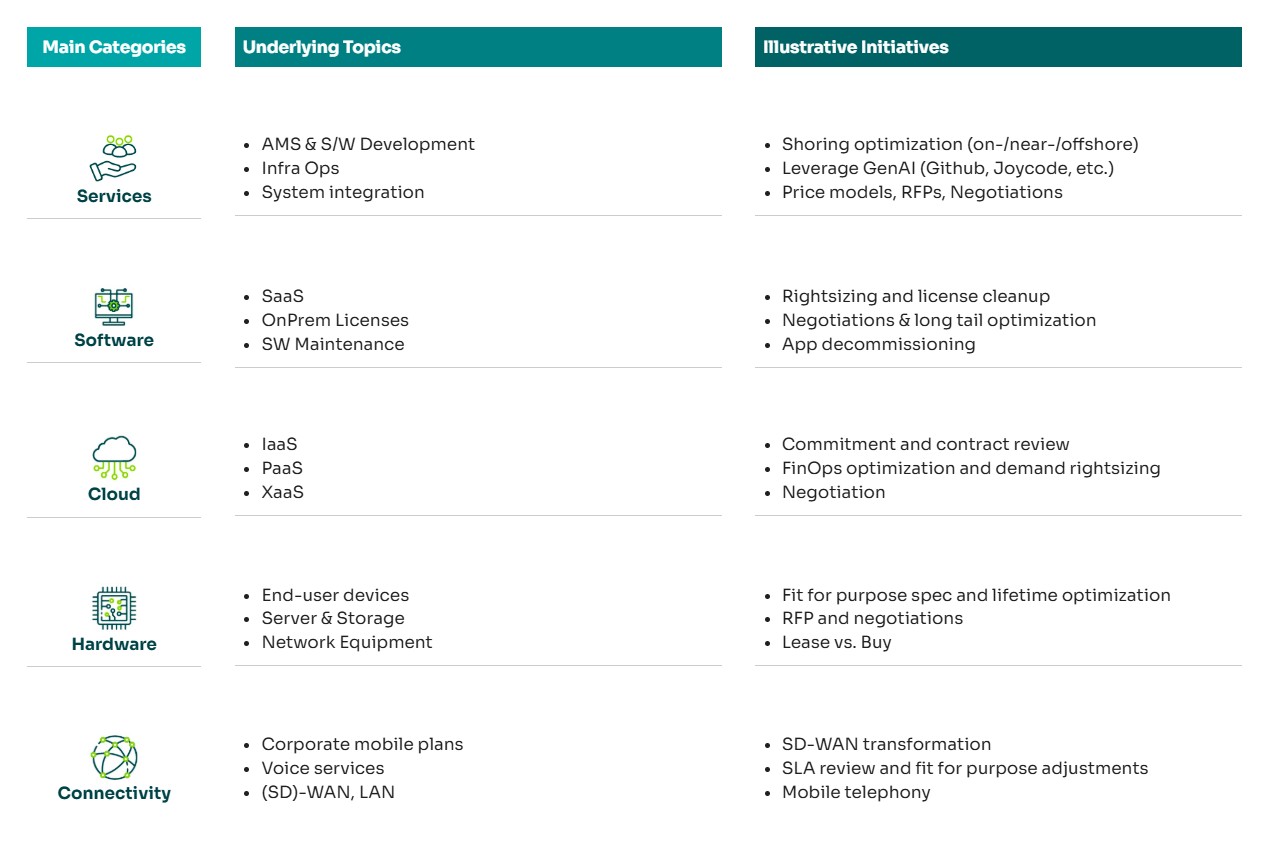
Cost optimization has long been a core strength of sourcing teams and remains one of the fastest ways to generate tangible value. Managed services, which represent 35%-50% of IT spend in large organizations, are a major lever, with optimization efforts frequently unlocking 10-25% or more in savings. The managed services market is highly competitive, and AI-enabled delivery models are evolving quickly. In this environment, traditional three-year RFP cycles with rigid, set-and-forget contracts no longer reflect market reality. Instead of shortening contract durations and triggering costly transitions, companies should design longer-term agreements with built-in flexibility – including regular benchmarking, structured renegotiation windows, and modular service scopes – to capture market and technology improvements. A key structural lever is automation and the growing use of agentic AI in service delivery. By enabling self-service, reducing manual intervention and continuously optimizing operations, agentic AI lowers labour intensity and establishes a structurally more competitive baseline. At the same time, optimizing the mix of onshore, near-shore and offshore delivery remains critical, as shoring choices directly shape both cost and service quality. The second major value lever lies in software consumption. As organizations shift from perpetual licenses to subscription and usage-based models, sourcing must move from reactive cost control to proactive, data-driven usage management. Pay-as-yougo models do not automatically generate savings; without strict governance they often accelerate cost growth. Sustainable value requires full transparency, disciplined entitlement management and continuous optimization of actual usage, independent of the commercial model. This makes robust Software Asset Management (SAM) – combining the right tools, clearly defined processes and strong governance – a critical foundation for controlling cost, ensuring compliance and maintaining negotiation leverage. Closely linked is cloud and network infrastructure, where optimization represents one of the most structurally sustainable value levers in technology sourcing. Effective cloud management goes far beyond basic cost control and includes rightsizing workloads, eliminating unused or overprovisioned resources, optimizing storage tiers and actively managing commitment-based pricing. The rapid expansion of AI workloads is fundamentally reshaping cloud consumption patterns, making continuous monitoring essential. In telecoms and network services, competitive dynamics and demand management, including SLA rightsizing, offer additional savings potential. Finally, hardware procurement continues to offer optimization opportunities, even as component prices rise due to growing AI-driven demand. While supplier competition remains important, equal emphasis should be placed on defining and enforcing clear technical standards to avoid over-specification. Aligning equipment with role-based requirements and extending replacement cycles where feasible reduces both cost and environmental impact.

Pillar 1:
Commercial and Technical Cost Optimization
Microsoft’s licensing model is highly complex, with a wide range of plans, add-ons, and usage conditions. When not actively managed, this complexity quickly leads to licenses being purchased that are not fully used or not needed at all. Typical sources of waste include licenses assigned to employees on leave, contractors who have left the organization, or users whose actual requirements could be met with lower-tier licenses.
To address this, a license optimizer tool ingests a full year of user-level consumption data directly from the Microsoft admin portal and compares it against the Microsoft license catalogue. With our latest AI-powered version, the tool identifies unused and over-provisioned licenses and highlights optimization opportunities. By eliminating redundant licenses and rightsizing entitlements, companies can achieve savings of up to 15% with no operational impact.
Managing risk in technology sourcing requires a different approach than in traditional procurement. In many IT categories, the most strategically important services, such as cybersecurity, identity management, or core infrastructure, may not be the biggest spend items. This means sourcing teams must look beyond spend levels and assess how critical each supplier is to the continuity, security, and stability of the business. Only then organizations can identify hidden dependencies that sit in smaller contracts but support mission-critical systems. Diversification is another challenge, especially in markets like cloud, where a handful of hyperscalers dominate. Although many companies already use multiple providers, true resilience requires more than split spend: it depends on clear exit strategies, contractual flexibility, and well-defined transition plans that allow the business to respond quickly to disruptions, price shocks, or service issues. The economic impact of such preparedness is often underestimated. In digitally enabled operating models, even short service interruptions can result in significant revenue loss, operational standstill, or reputational damage. Tech-Sourcing decisions therefore directly influence business continuity. Structuring contracts with clear transition rights, redundancy mechanisms and predefined response frameworks is not merely a governance exercise, it is a safeguard against business downtime and the financial consequences that follow. Compliance is also a crucial part of this pillar. SAM tools play a key role not just in identifying unused licenses, but in ensuring that every software deployment is legally compliant. Even in environments with strong security controls, compliance risks can arise through centrally deployed software, inherited configurations from legacy systems, or changes in licensing terms that go unnoticed over time. Without effective SAM governance, organizations can unknowingly fall out of compliance and expose themselves to significant financial and legal risk Technology adoption cycles are compressing fast. What took three years to deploy a decade ago now takes months – and sourcing processes built for stability are struggling to keep up. Agile integration is not about applying agile methodology to every procurement process. It is about building the commercial and contractual infrastructure that allows the business to move fast without accumulating risk: shorter commitment horizons where uncertainty is high, modular contract structures that allow scope to evolve, and outcome-oriented governance that replaces rigid deliverable lists with milestone-based checkpoints. In practice, sourcing teams must distinguish between two types of spend. Where demand is predictable – established SaaS platforms, infrastructure, hardware – longer-term agreements with built-in renegotiation windows remain the right approach. Where the business is experimenting or scaling AI use cases, procurement must operate differently: faster engagement cycles, lighter contractual frameworks, and continuous cost monitoring on both sides. The commercial risk in agile environments is real. Without structured oversight, time-and-materials engagements expand quietly and focused pilots become open-ended commitments. Sourcingteams that embed themselves into agile delivery – rather than operating as a separate approval layer – catch these dynamics early and protect both budget and flexibility. Done well, agile integration transforms procurement from a bottleneck into an accelerator.
Innovation enablement presents one of the strongest opportunities for IT sourcing teams to demonstrate their strategic contribution to the business. Its goal is to harness supplier capabilities to drive innovation and deliver business value which is why it is a topic of keen interest for CIOs looking to show measurable impact from tech spending. Working with suppliers on innovation projects often involves AI, but it also requires highly specialized expertise in areas such as niche regulatory knowledge, industry-specific processes, or advanced engineering capabilities. The role of procurement is therefore to engage qualified suppliers in a collaborative process as co-development partners, rather than treating them as interchangeable vendors. This is best done through a Request for Solution (RFS) approach, in which the sourcing team presents suppliers with a clearly defined business problem instead of a fixed specification. This allows suppliers to contribute their expertise, propose alternative approaches, and surface innovation and optimization opportunities that would typically remain hidden in a traditional RFP. This approach has enabled the creation of AI-driven data platforms that go beyond operational efficiency and open entirely new revenue streams. By sourcing scalable cloud infrastructure, specialized analytics capabilities and flexible commercial models early in the process, organizations have transformed internal data assets into subscription-based services and digital add-ons. In these cases, procurement did not merely reduce costs, it helped shape the ecosystem that enabled monetization.
 Pillar 2:
Risk Management, Supplier Resilience and Compliance
 Pillar 3:
Agile Integration of Technology Pillar 4:
Innovation Enablement
A global industrial technology company was facing increasing complexity in its engineering and IT landscape. Years of targeted acquisitions had expanded its product portfolio, but also created fragmented systems, siloed operating models, and a heavy reliance on multiple freelancers working in a decentralized, time-and-materials setup. These legacy structures were slowing innovation and
stretching internal capabilities at a time when the business needed to transition from hardwarecentric to software-driven solutions.
To address these challenges, we launched a structured three-phase sourcing approach anchored in a co-creation RFS process. Following an initial RFI to assess market competitiveness across seven
vendors and quantify potential savings, two suppliers were shortlisted for an eight-week co-creation sprint.
Working collaboratively through solutioning workshops, we jointly designed a high-impact
operating model, aligned commercial and service commitments, and assessed strategic and cultural fit.
This approach delivered a committed 30% baseline reduction, equivalent to $24 million in savings over a five-year term, unlocking upfront investment and creating immediate first-year P&L impact. The solution also established a strategic partner model that preserved critical knowledge through the transition of multiple employees, ensuring long-term capability and innovation.
Compared with traditional RFIs and RFPs, this model fundamentally changes the nature of supplier engagement. Instead of constraining innovation within predefined specifications, it encourages solution-driven collaboration and unlocks strategic value that would otherwise remain untapped. Yet most companies have not adopted RFS as a core enabler of innovation, largely due to limited integration and cooperation between procurement teams and the wider business.
Without business buy-in, procurement cannot clearly define the problem that will be put in front of suppliers. Innovation enablement therefore highlights a key characteristic of the more strategic areas of procurement: they require multilateral collaboration between the business, IT, procurement, and suppliers, rather than the traditional procurement-supplier interface. A major challenge for IT sourcing teams today is to show the IT organization and the business that they are ready to go beyond traditional cost optimization and support this broader approach to value creation.
Beyond speed and monetization, structured co-innovation can become a source of product and service differentiation. When suppliers are engaged early as strategic partners rather than transactional vendors, their technical capabilities, market insights, and cross-industry experience can shape the design of digital features, platform architectures, and customer interfaces. This collaborative model enables organizations to embed distinctive capabilities into their offerings — whether through advanced analytics, AI-driven functionality, enhanced user experience, or scalable digital ecosystems — that competitors may struggle to replicate.
In this context, tech sourcing becomes a lever for competitive positioning, not merely a mechanism for supplier selection.
Tangible ROI for the C-Suite
Organizations across multiple sectors that have applied the Tech Sourcing Advantage Framework have achieved substantial gains:
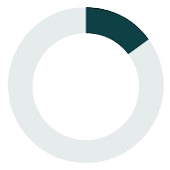 5%-15%
savings across software, hardware,
cloud and connectivity services
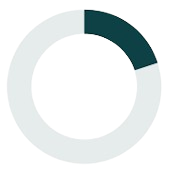 Up to 20%
run-rate savings in managed services
through contract restructuring, shoring
optimization, and embedding AI-driven
productivity gains directly into service
agreements

100%
Measurable improvements in agility,
time-to-market, and operational
resilience

With technology spend rising so rapidly and tech embedding itself ever deeper into the fundamental proposition across almost every sector, tech sourcing can no longer afford to focus predominantly on cost-cutting and rely on traditional, inflexible procurement processes. Technology sourcing today spans both indirect and direct spending – it is among the most critical activities that companies must manage, with impacts that will be felt at board level.
So, a new and much better approach is needed – one that brings procurement professionals much closer to the problems the business is trying to solve and uses their skills to deliver meaningful business value. In an environment defined by rapid change, constantly rising costs and innovation races, organizations that master the Tech Sourcing Advantage Framework can mobilize procurement excellence to create differentiation and sustained competitive strength.

Sven Brüggeboes
Managing Director
Cologne

Felix Weyrather
Principal
Cologne

Niklas Wagener
Principal
Cologne