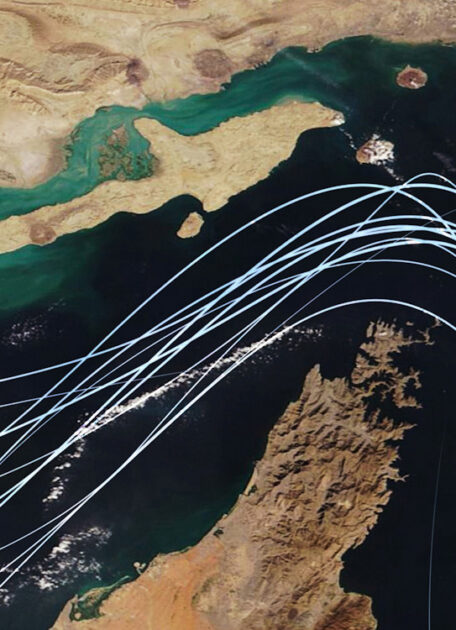
- Recent geopolitical shocks triggered oil price surges of 40–50% within weeks, exposing how deeply fossil dependency is embedded across materials, logistics, and energy costs
- This is no longer a temporary spike to manage, it is a structural signal that oil dependency has become a core business risk
- The economics have shifted: renewables, electrification, and recycled materials are now cost-competitive or cheaper, with payback periods of 1–4 years
- Procurement is the critical lever: from mapping hidden oil exposure to securing PPAs and substituting oil-linked inputs
Why reducing oil dependency is no longer just sustainable, but economically superior and more resilient
For decades, oil dependency was simply part of doing business. Energy, plastics, transportation, fertilizers – entire value chains were built on the assumption that fossil inputs would remain stable and affordable. That assumption no longer holds: The recent disruption in the Strait of Hormuz exposed just how fragile this system has become.
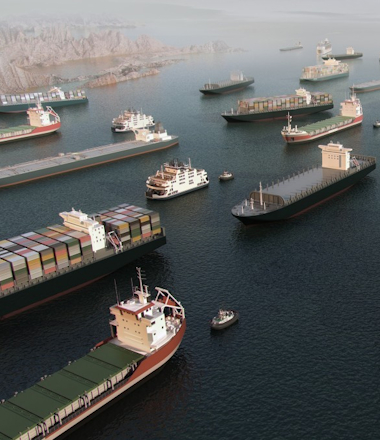
Within just a few weeks, oil prices surged by roughly 40–50%, gas prices climbed by 50–80%, and freight and insurance costs spiked by as much as 200–400%. At the same time, nearly 20% of global oil and LNG supply was suddenly at risk.1
For procurement leaders, the immediate priority in such moments is clear: actively manage the price increase. This includes rigorously challenging supplier surcharges (e.g. understanding naphtha vs. ethane exposure in plastics), avoiding locking in contracts at peak prices, and increasing transparency on underlying cost drivers. Companies that maintain discipline during price spikes avoid structurally inflating their cost base.
At the same time, history suggests that prices are unlikely to remain at peak levels. Oil markets have consistently shown mean reversion after shocks, and recent market outlooks already model potential de-escalation scenarios. But even if prices fall, volatility remains, and that is the real risk. It’s more than a temporary shock, it is a structural signal: Oil dependency is now a core business risk.
And at the same time, the economics have shifted. The solutions once associated with sustainability, e.g. renewables, electrification and recycled materials, are no longer a premium. In many cases, they are now the cheaper and more resilient option, particularly when viewed against recurring volatility rather than point-in-time prices.
1Source: BCG Center for Geopolitics; IEA; Inverto analysis
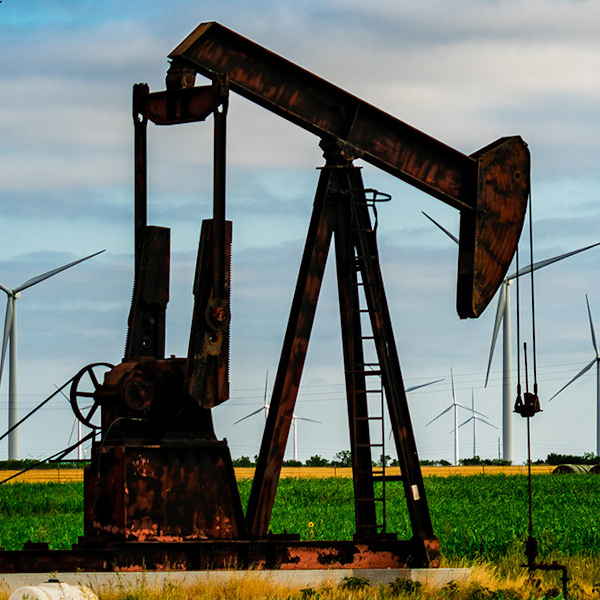
A turning point: sustainability now outperforms on cost
For years, sustainability came with a trade-off: higher cost in exchange for lower emissions. That trade-off has fundamentally shifted.
Today, many sustainable solutions are already cost-competitive, or even advantageous:
-
 Solar power is now among the cheapest energy sources globally (costs down ~90% over the past decade) 3
 -
 Heat pumps can reduce energy costs by 60–70% compared to gas in high-price environments 4
 -
 Recycled materials are reaching cost parity with virgin inputs at higher oil prices
At the same time, fossil-linked inputs are becoming more expensive and increasingly volatile, putting sustained pressure on cost structures.
What were once long-term sustainability investments now deliver payback in 1–4 years. But the real value of this shift goes beyond simple cost savings. Companies are increasingly converting volatile, market-driven OpEx (e.g. fuel, gas, petrochemical inputs) into more structured and predictable cost positions, such as fixed-price PPAs (Power Purchase Agreements), on-site generation, or Energy-as-a-Service models.
3Source: IEA; IRENA; BNEF
4Source: BCG/Inverto analysis
In many cases, this also means shifting spend toward depreciable assets or long-term contracted cost, improving cost visibility and reducing earnings volatility. This is a critical part of the business case, not just lower cost, but greater control and predictability of the cost base.
This shift fundamentally changes the role of sustainability. It is no longer primarily about compliance or brand positioning, but a core lever for cost reduction, supply security, and margin stability, particularly in a world where oil can swing from $70 to $120+ in weeks.
Why procurement is the critical lever
This shift is not driven by strategy alone, it is executed through procurement. While sustainability is often framed at the leadership level, the actual transformation happens in day-to-day sourcing decisions.
Procurement determines which materials are used, which suppliers are selected, and how energy is sourced. In practice, this means it defines a company’s exposure to oil, often more than any other function.
In the current environment, leading organizations are managing two horizons simultaneously: short-term price volatility and long-term structural transformation. Every sourcing decision either reinforces fossil dependency or helps reduce it.
Leading organizations are beginning to recognize this and are adapting their approach accordingly. They are building a clear view of where oil and gas exposure sits across their spend base, often uncovering risks that were previously hidden in materials, intermediates, or supplier structures. At the same time, they are becoming more rigorous in how they assess price increases.
In the current environment, many early surcharges are not driven by actual cost increases but by opportunistic pricing, making it critical to challenge assumptions, validate feedstock exposure (e.g. oil vs. gas-based inputs), and avoid locking in inflated price levels.
Beyond this, procurement is shifting how investment decisions are made. Instead of focusing primarily on upfront cost, companies are increasingly evaluating total cost of ownership, including energy price volatility, supply risk, and long-term cost trajectories, which is what makes many sustainable alternatives economically attractive today.
At the same time, organizations are actively working to diversify their supplier base, substitute oil-linked materials where possible, and secure access to renewable energy. These moves are not just about sustainability, they are about reducing dependency on a volatile system.
CPO Guide: How to Make Sustainability Pay Off
To turn this shift into tangible impact, procurement leaders need to act across three areas:
-
01 :Make oil dependency visible
-
02 :Challenge and control cost exposure
-
03 :Build the business case for alternatives
-
04 :Actively reduce dependency
-
05 :Embed the shift structurally
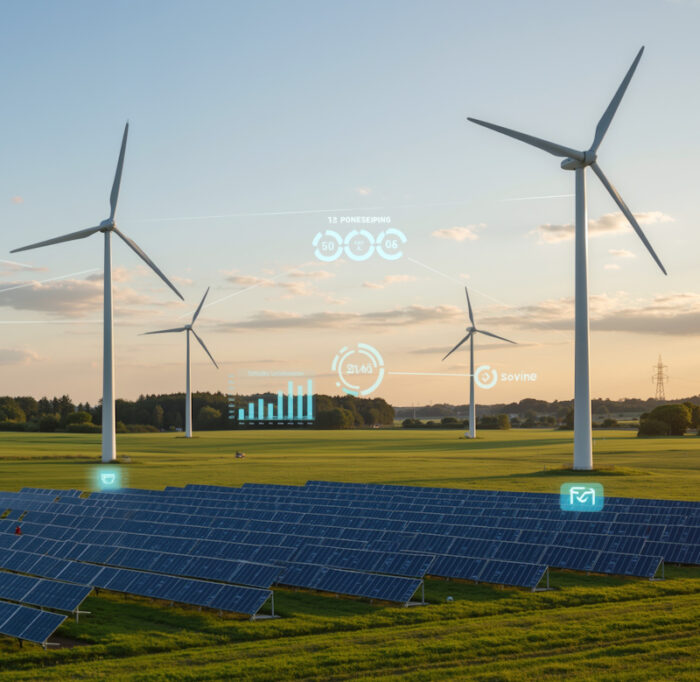
The takeaway: a closing window of opportunity
This crisis is not an anomaly, it is a signal, not just of high prices, but of structurally increasing volatility, even if prices temporarily ease. A signal that fossil-based systems are becoming more volatile and constrained, and that sustainable alternatives are no longer just viable, but economically superior. The companies that will come out ahead are not those that simply ride out the cycle, but those that combine disciplined short-term cost management with long-term structural change.
The current environment creates a unique, but temporary, advantage. High fossil prices are improving the economics of alternatives, while renewable and storage technologies are available at historically attractive cost levels. But as adoption accelerates, capacity will tighten and these advantages will erode.
Reducing oil dependency is no longer just a sustainability goal, it is a cost and risk decision. Companies that act now can secure lower-cost structures, reduce exposure to volatility, and build more resilient operations. Those that wait will remain tied to a system that is becoming harder, and more expensive, to rely on. The biggest risk today is not acting too early. It is waiting too long.
Get in Touch

Manuel Berlanga Diaz
Managing Director
Madrid

Kiren Pandya
Principal
London
Further Climate & Sustainabilty Insights